.png)
Case Study: Transforming a High Rise Building with Expert Cleaning

A tired facade changes the way a building is perceived long before anyone steps through the lobby. In dense urban environments, grime, water staining, airborne pollutants, and neglected glazing can slowly flatten the architectural impact of even a well-designed tower. This case study shows how expert high rise maintenance can do more than make a building look cleaner. When handled properly, it can restore visual clarity, support safer inspections, and reset the standard for long-term exterior care.
The Building’s Condition Before the Cleaning Program
The property in this case was a high rise with visible signs of exterior decline. The glass had lost its brightness, dirt had built up along ledges and framing, and areas of the facade showed uneven staining caused by weather exposure and drainage patterns. None of these issues suggested immediate structural failure, but together they created a clear maintenance gap. The building looked older than it was, and the exterior no longer reflected the quality of the interior spaces.
This is a common turning point for owners, management corporations, and facility teams. A facade may still be functioning, yet the accumulated dirt begins to interfere with perception, maintenance planning, and routine inspection. What appears to be a cosmetic problem often reveals a deeper operational issue: the exterior has not been treated as a system that needs regular professional attention.
Observed issue | Likely impact | Why it matters |
Window haze and residue | Reduced clarity and daylight quality | Creates a neglected appearance and affects interior experience |
Staining on facade surfaces | Patchy, uneven exterior presentation | Makes a building appear poorly maintained |
Dirt at joints, ledges, and frames | Hidden wear and trapped debris | Can limit visibility during inspection and routine upkeep |
Why Expert High Rise Maintenance Starts Before the First Drop of Water
One of the most important lessons from this project was that successful cleaning began with planning, not equipment. Tall buildings require methodical access assessment, surface review, weather awareness, and a clear understanding of how different materials respond to cleaning agents and techniques. A rushed approach can leave streaking, disturb sealants, or miss the very areas where buildup is most severe.
For aging towers or buildings exposed to constant traffic grime, a structured approach to expert high rise maintenance helps ensure the work improves the facade without creating new risks. That means evaluating anchor points, selecting the right rope access or suspended access method, identifying sensitive facade elements, and sequencing the work so cleaning supports broader maintenance goals rather than interrupting them.
On projects like this, the value of a specialist is not limited to washing glass. Providers such as High Rise Window Cleaning in Malaysia are often brought in because they understand the interaction between access, safety, facade condition, and presentation. In other words, the cleaning itself is only one part of the transformation; the professional process behind it is what makes the result dependable.
The Cleaning Strategy That Changed the Building
Once the assessment was complete, the cleaning plan was built around precision rather than speed. The team prioritized the most visible elevations first, then moved through less prominent sections in a sequence that allowed quality control checks at each stage. This prevented the common problem of inconsistent finish across different faces of the building.
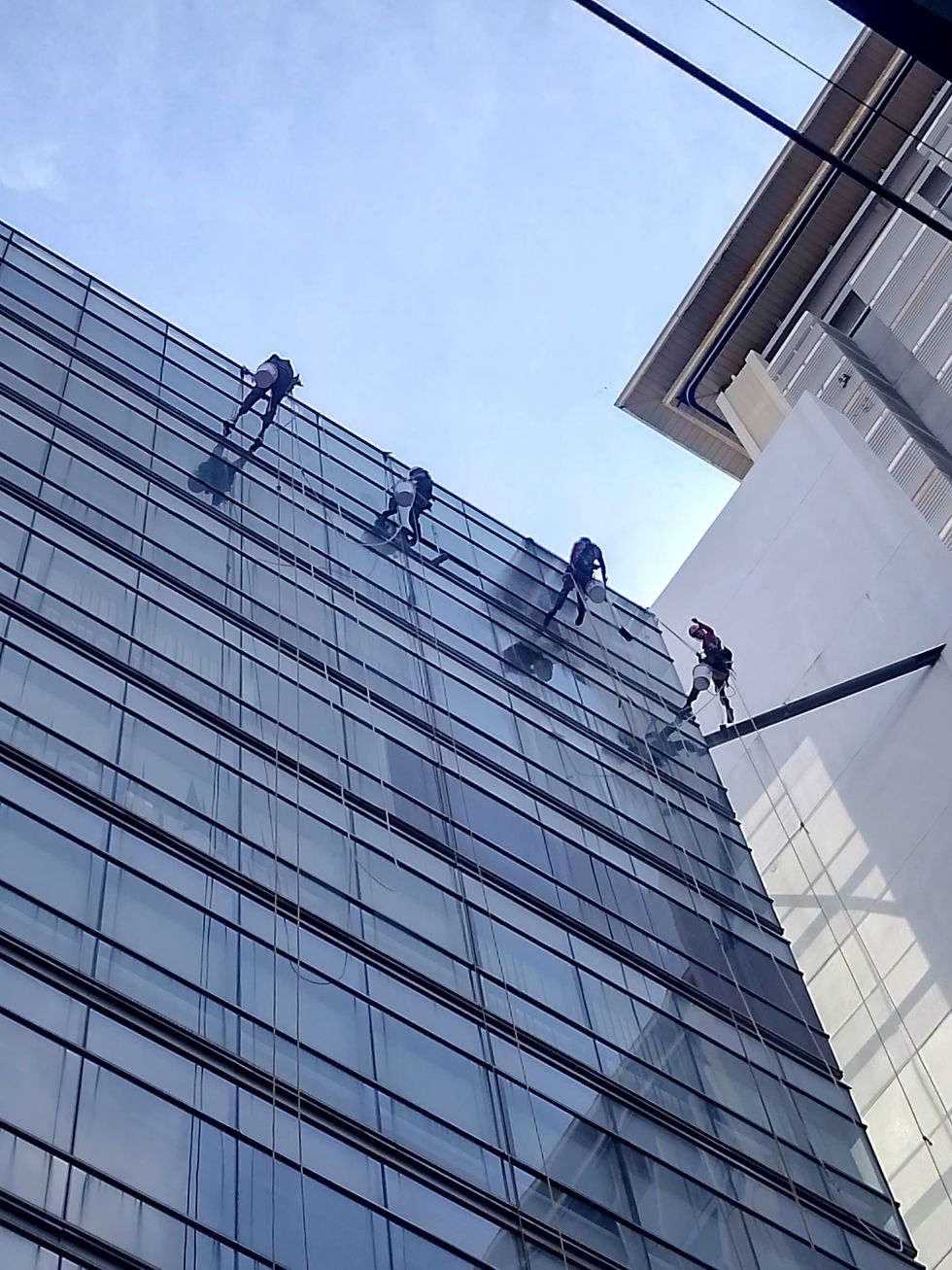
Initial inspection and mapping: The facade was reviewed to identify staining patterns, drainage marks, dirt traps, and access constraints.Surface-appropriate cleaning selection: Different areas required different handling, particularly around glazing, metal framing, and architectural details.Controlled rope access execution: Access crews cleaned methodically from top to bottom, paying close attention to corners, edges, and transitions where residue often remains.Post-cleaning review: The cleaned sections were checked for uniformity, missed spots, and areas that required secondary attention.
This phased approach matters because high rise cleaning is rarely successful when treated as a simple rinse-and-go task. Dirt on tall structures accumulates in patterns created by wind, rain, exhaust, and facade geometry. Removing it properly requires technical judgment. The most visible improvement in this case came from consistency: once the facade was cleaned evenly, the building’s design lines became sharper and the materials looked intentional again.
What Improved After the Work Was Completed
The immediate visual difference was obvious, but the deeper benefits were operational. First, the building regained brightness and definition. Clearer glazing improved the exterior impression and enhanced the sense of care associated with the property. Second, once the dirt and residue were removed, the facade became easier to inspect. Maintenance teams could more clearly identify sealant wear, drainage patterns, and minor defects that had been visually masked by buildup.
Another important outcome was reputational. Clean exteriors influence how residents, tenants, visitors, and stakeholders interpret the standard of management. A high rise that looks maintained from the outside tends to inspire more confidence in the way the rest of the property is run. While cleaning alone cannot solve every building issue, it can visibly signal that the asset is being actively managed rather than merely occupied.
Sharper facade appearance and improved curb presenceBetter visibility for inspection and preventive maintenanceMore consistent presentation across elevationsStronger alignment between architectural intent and day-to-day condition
Conclusion: Expert High Rise Maintenance Is Part of Building Stewardship
This case study makes a simple point: exterior cleaning at height should never be treated as an afterthought. When planned carefully and executed by specialists, it becomes a practical form of building stewardship. It protects appearance, supports maintenance visibility, and helps owners avoid the slow decline that turns manageable facade issues into larger concerns.
The strongest buildings are not only designed well; they are maintained with discipline. That is why expert high rise maintenance belongs in any serious long-term care strategy for tall properties. A clean facade does more than impress at street level. It preserves dignity, reveals condition, and reminds everyone who sees the building that quality is something worth sustaining.
Powered by Rabbit SEO

Comments